Every gardener has killed a plant. The trick is to start with easy herbs to grow, the kind that forgive you.
My curse is bonsai. If I haven’t killed five of them in my lifetime, I haven’t killed any. It always goes the same way: I decide I’m some Japanese connoisseur who knows by heart, through telepathy with the plant, which branch to cut. Well… they all die within a few months.
My second nemesis is a herb: basil. I really cannot tell when to water it so it flourishes. Especially in spring, it decides within a couple of weeks that I’m not making pasta any more. I either overwater it or underwater it, nothing in between.
So if you’ve killed a plant too, welcome. That’s exactly why this letter isn’t about basil.
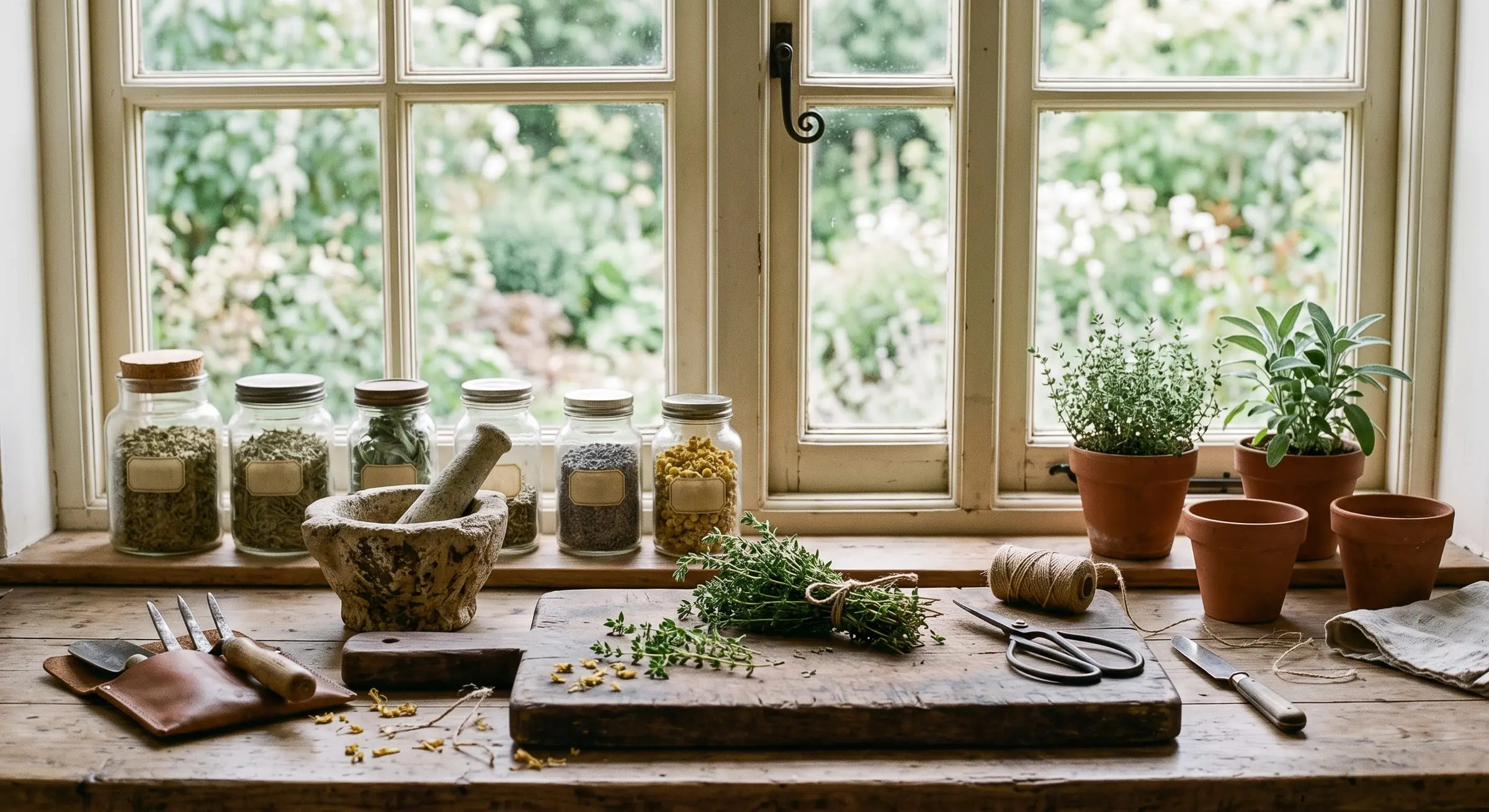
Chives, spearmint and lemon balm are three easy herbs to grow for beginners. They are perennials, which means they live for years: they rest in winter and come back in spring. They grow in sun or partial shade, they’re happy in pots, and they’re cheap to buy as small plants.
Before you start: 4 rules for growing herbs in pots
- Buy a small plant, not seeds. The Royal Horticultural Society (RHS) calls young potted plants the quickest, easiest start. Seeds can wait until you’re braver.
- Use pots with holes in the bottom. Roots hate sitting in water. A wet, soggy pot kills more herbs than forgetting.
- Feel before you water. Push a finger into the compost. Dry? Water. Damp? Wait. Pots dry out faster than garden soil, so check more often in warm weather.
- Pick often. It sounds backwards, but snipping tells most herbs to grow more leaves.
How to grow chives: the one you can bring inside
Chives are part of the onion family. They form neat, grassy clumps with purple pompom flowers that bees love, and both leaves and flowers are edible.
- Pot size: at least 20 cm wide and 20 cm deep, the RHS says.
- Harvest: snip leaves with scissors just above the base. The more you cut, the more grow back.
- Use raw: chopped over eggs, potatoes or soup. Cooking dulls the flavour.
- An autumn tip: potted chive plants can go in at any time of year. Chives die back outdoors in autumn, so pot up a clump and keep it on a sunny windowsill for winter pickings.
- Every three or four years: lift the clump in spring or autumn and pull it apart into smaller pieces. Free plants!
How to grow mint in a pot
The RHS calls mint “extremely easy to grow”. Its only fault is ambition: its roots wander and pop up everywhere.
- Keep it in a pot. In a bed, sink the pot into the soil or use a bottomless bucket, so the roots stay put.
- Water: mint likes to stay moist, so it’s the one to check first on warm days.
- Winter: it dies back to the ground. That’s normal, not failure. New shoots return in spring.
- Every few years: divide and repot it, so it doesn’t choke itself.
How to grow lemon balm: sunshine you can smell
Rub a leaf and you’ll see why people love it. Lemon balm smells bright and lemony, and bees adore its small summer flowers.
- Keep it in a pot if you don’t want it everywhere. It self-seeds freely.
- After flowering: cut it back hard. You’ll get fresh, tender leaves and fewer surprise seedlings.
- Winter: it dies down too. Cut old stems back by early spring, before new growth begins.
My favourite of the three
If I could pick, chives. There is NOTHING like freshly chopped chives on bread and butter. That’s all. Add a cup of tea or an orange juice for breakfast, and the sun shining through your window. That’s enough.
I believe we’ve forgotten the simplicity in life. It’s just chives on buttered bread, but for a couple of minutes it brings that simplicity back.
Easy herbs to grow if you start in autumn
This is a lovely time to begin, quietly. Pot up or buy a chive clump for the windowsill now. Then make a note in your herb notebook to buy mint and lemon balm in spring, when they wake up.
Which one will you meet first?