Mulled wine spices are what turn a cheap bottle of red, or a jug of apple juice, into something that smells like December. Six of them do almost all the work, and none of them are exotic.
Mulled wine actually has a tradition in Europe, where half of my family is from. We always drink it during Christmas. Nothing, and let me tell you, NOTHING is better than getting a warm cup of mulled wine on a Christmas market in Vienna. If you have a chance and go to Vienna or Budapest, be sure to try it. It’s a very warm and nice tradition, while taking a walk between Christmas stands in a snowy evening.
This is the short version: what each spice does, how to use it, and the few safety bits worth knowing (mostly about the alcohol, plus one about nutmeg and one about star anise). I checked all of this against the NHS, the CDC, the FDA, Germany’s BfR and a university poison centre. The links are at the end, if you’re a research nerd like me.
What are mulled wine spices?
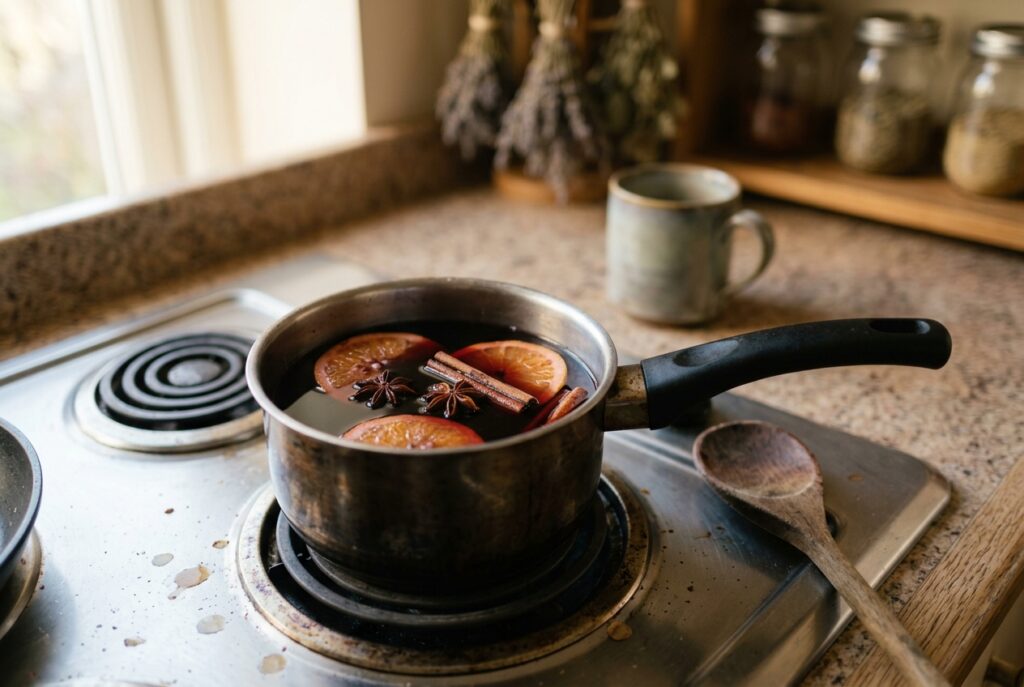
Mulled wine spices are whole warming spices, usually cinnamon, cloves, star anise, nutmeg, allspice and cardamom, heated gently in red wine or apple juice with a little orange and sweetener. They flavour the drink as it warms, and you strain or fish them out before serving.
Quick rules for mulling spices
- Use whole spices rather than ground ones where you can. They flavour the drink cleanly and you can lift them out.
- Warm the pan gently on the stove and keep it just below a simmer.
- Start with less than you think you need, then taste and add more.
- Take the spices out before you serve, so nobody bites into a clove.
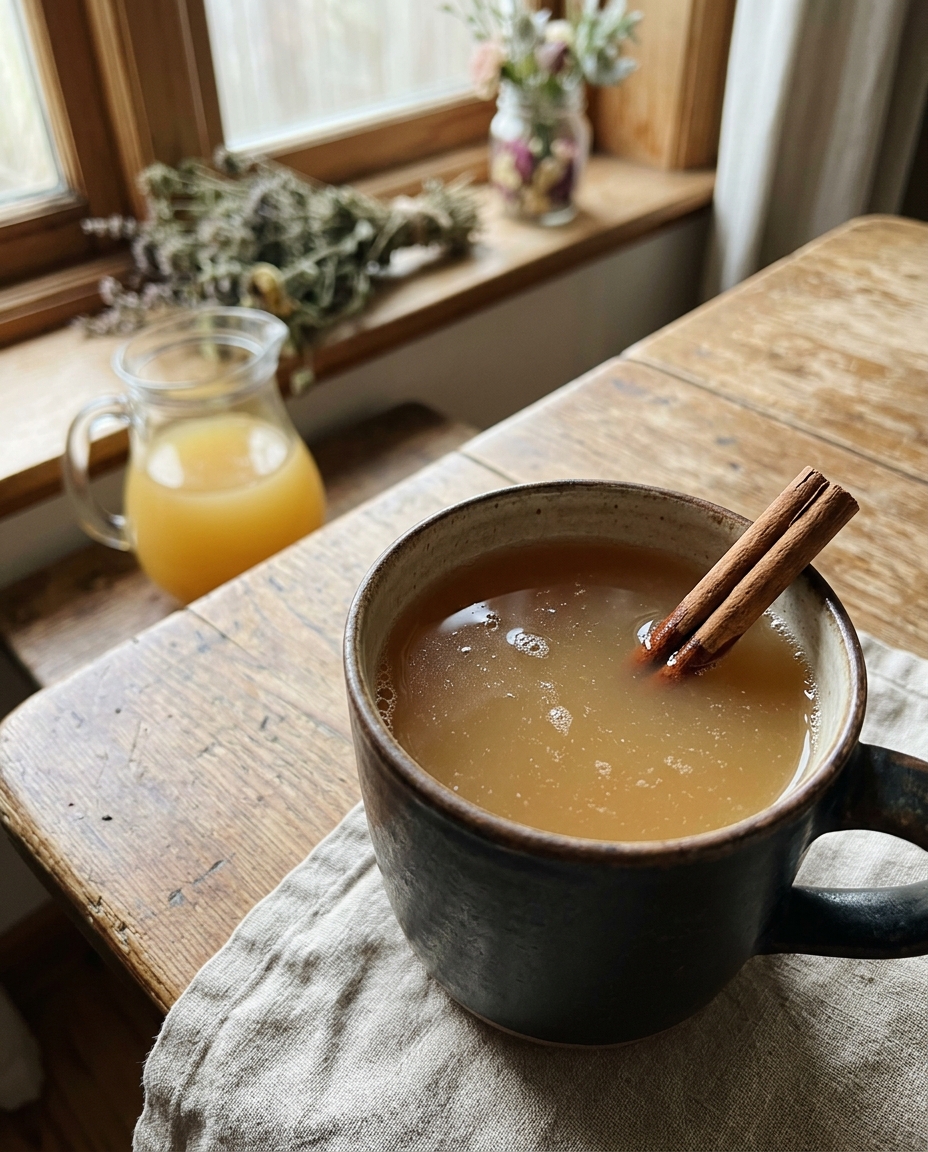
- Make an alcohol-free batch with apple juice, either instead of the wine or next to it.
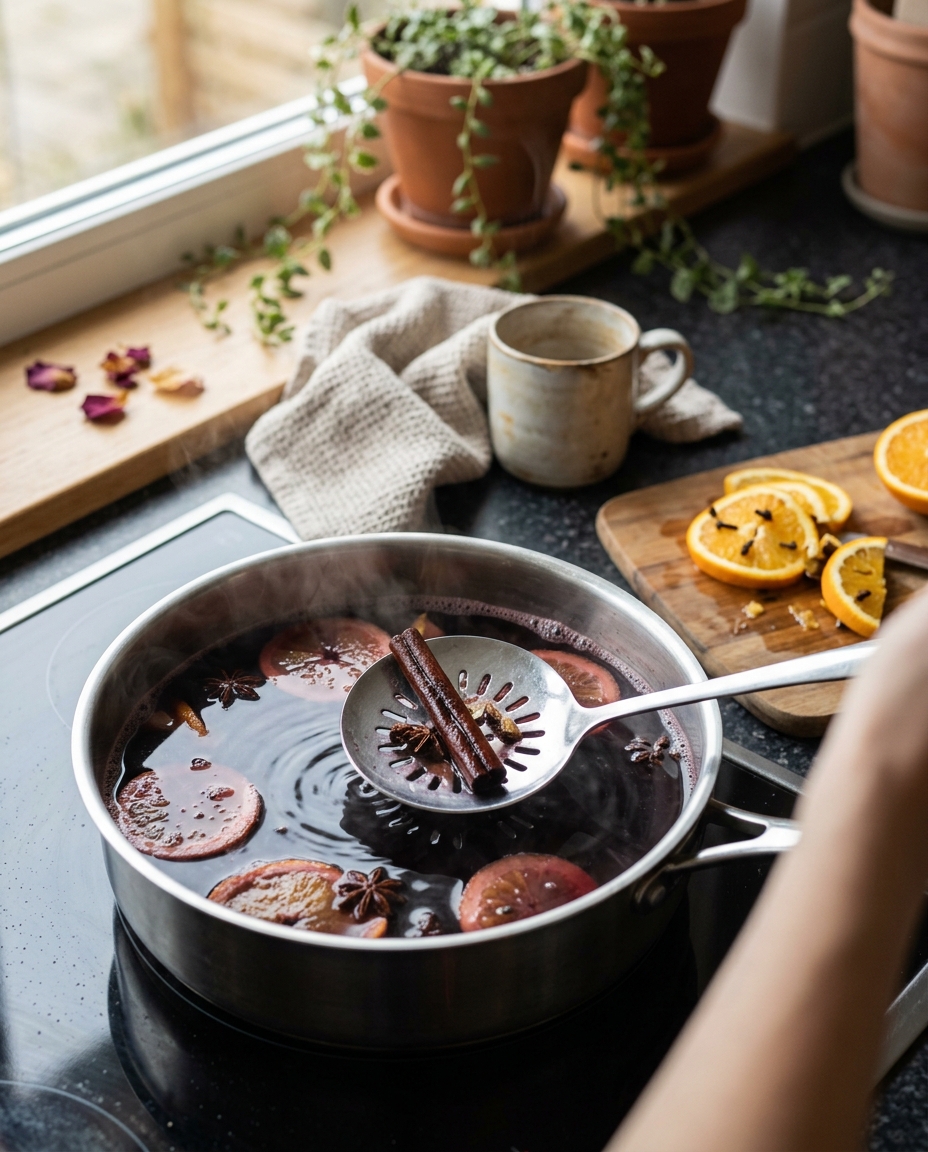
I actually used to use whole spices. My step-father taught me that. He knew a lot of things about making cider or, well, alcohol (which is normal, let me state, in western and central Europe where he’s from). I don’t drink alcohol though, but a nice cider is always welcome after a heavier lunch, let’s say. But I personally prefer the alcohol-free batch, if I could pick.
I used to like the mulled wine with apples, actually. You can cut fresh apple into small cubes and put it in your cup, and then pour the wine into the cup. It gets a very nice flavour.
The 6 spices for mulled wine and cider
1. Cinnamon
What it brings: sweet, woody warmth. It’s the backbone of the pot.
How to use it: one stick is plenty. Sticks beat ground cinnamon here, because ground turns the drink cloudy and gritty.
Know this: there are two kinds. Germany’s Federal Institute for Risk Assessment (BfR) says cassia cinnamon is high in coumarin, which can harm the liver in sensitive people, and asks everyone to eat it in moderation. Children are more at risk because they weigh less. Ceylon cinnamon is the low-coumarin kind, and milder. The worry is large amounts over a long time, not a festive mug. But if you’re drinking spiced drinks all season, or the cider is for children, choose Ceylon.
2. Cloves
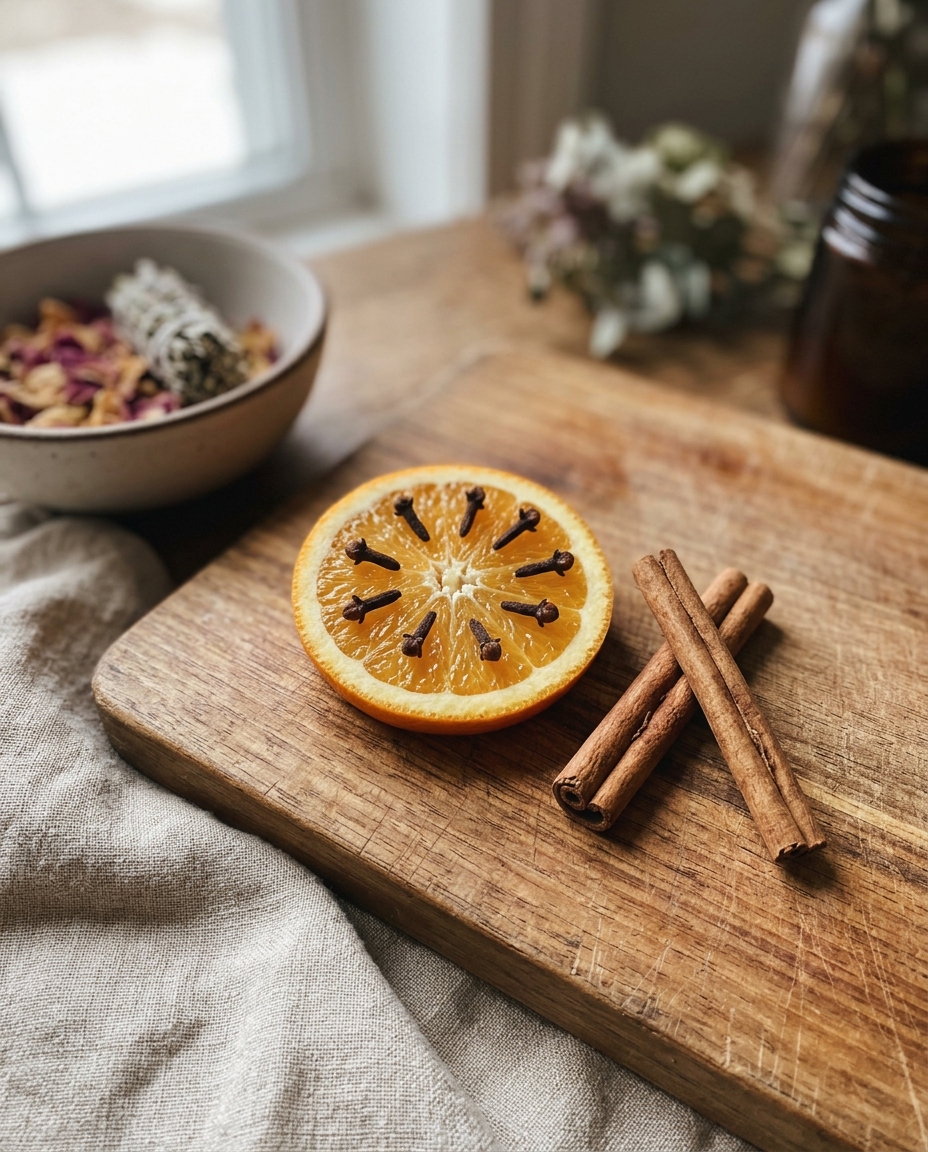
What it brings: a deep, sweet, almost medicinal warmth.
How to use it: a few whole cloves. Pressing them into an orange slice keeps them together and makes them easy to find at the end.
Know this: cloves are the loudest spice in the pot. Too many and your drink tastes like the dentist’s.
3. Star anise
What it brings: a soft liquorice note, and it looks lovely floating in the pan.
How to use it: one or two whole stars.
Know this: a toxic relative, Japanese star anise, looks like the culinary one. In 2003 the FDA advised people not to drink teas made from star anise after about 40 people became ill, around 15 of them babies (all recovered). The worry was that the toxic kind can end up mixed in with the culinary one. So buy star anise sold as a food spice by a supplier you trust, and never make it into a tea for a baby or a child, as a colic remedy or for any other reason.
4. Nutmeg
What it brings: a soft, sweet, slightly woody warmth that rounds off the others.
How to use it: grate a little straight into the pan, just a few light gratings.
Know this: a little is cooking, a lot is poison. A university poison centre (Vanderbilt University Medical Center) says large amounts can cause hallucinations, a racing heart and vomiting, that symptoms can start hours later and last a long time, and that deaths are extremely rare. Keep to a few light gratings, as you would in cooking.
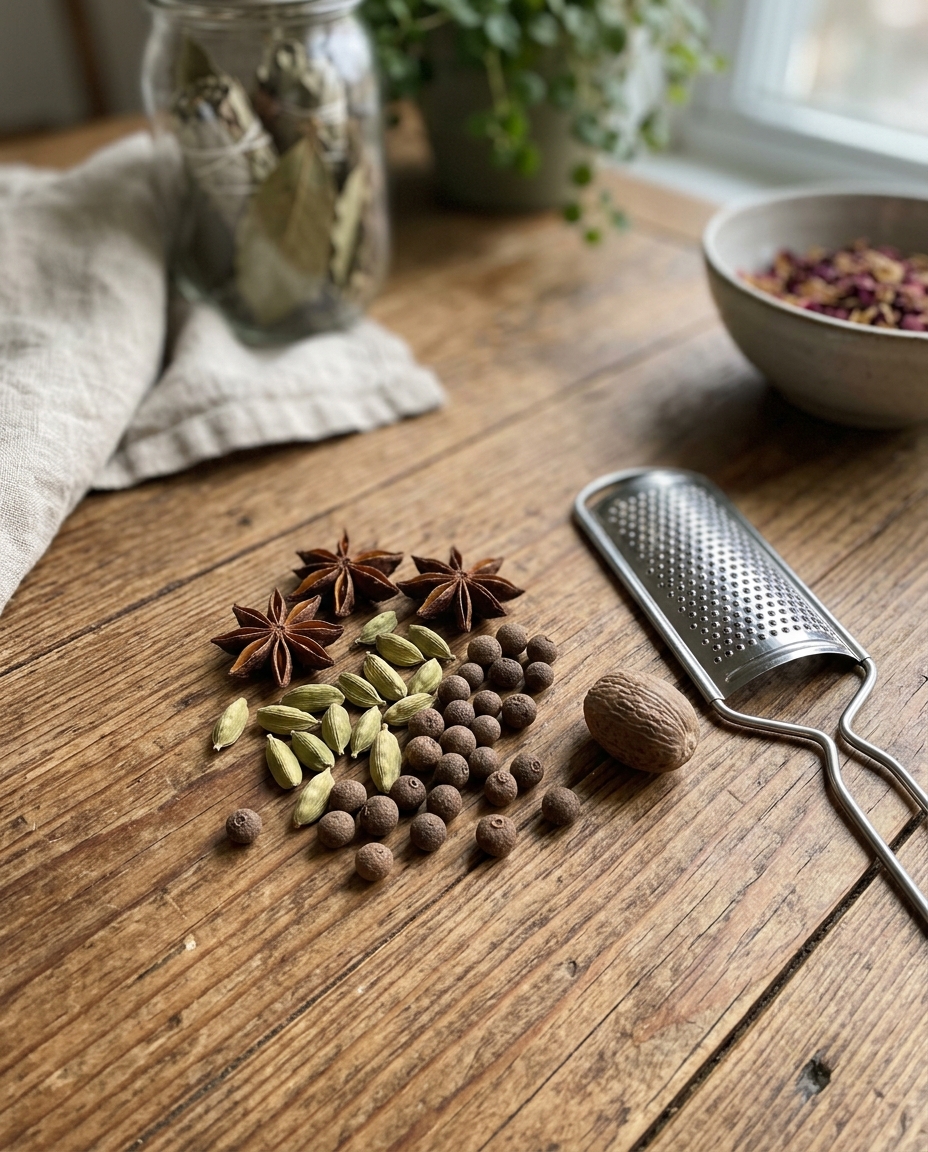
5. Allspice
What it brings: one dried berry that tastes a bit like cinnamon, clove and nutmeg all at once. (Fair warning: it’s strong.)
How to use it: a few whole berries.
Know this: if you already have cinnamon, cloves and nutmeg in the pot, you may not need it at all. Taste before adding more.
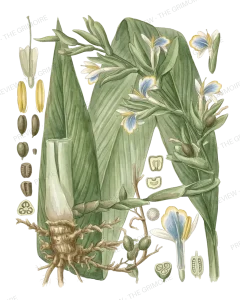
6. Cardamom
What it brings: a bright, citrusy, floral lift that stops the drink tasting heavy.
How to use it: crush two or three pods with the flat of a knife so they split open, then drop them in whole.
Know this: the seeds inside do the work, which is why you crack the pods first. Strain everything out afterwards, because the husks aren’t nice to find in your mouth.
Is mulled wine safe? The bits worth knowing
Mulled wine is a drink with alcohol in it, and that’s where most of the safety points are. The spices here are for flavour, not medicine.
Pregnancy. The NHS says that if you’re pregnant or planning to become pregnant, you should not drink alcohol. The CDC says there is no known safe amount of alcohol during pregnancy, at any stage. If you’re breastfeeding, the NHS and the CDC both say that not drinking is the safest choice.
Medicines. The UK’s medicines regulator (the MHRA) warns that alcohol can interact with many medicines, even ones you buy without a prescription, and that with medicines that make you drowsy it can slow your reactions and make falls and accidents more likely. A hot spiced drink is tempting when you have a cold, so read the leaflet or ask a pharmacist first.
Pregnant, breastfeeding, taking any medicine, or making a batch for children? A quick word with your doctor or pharmacist first is DEFINITELY worth it.
Children. Make the apple juice version and leave the wine out completely. If they’ll be drinking it all winter, use Ceylon cinnamon.
If something goes wrong. If someone has swallowed a lot of nutmeg, or a baby has had star anise tea and seems unwell, contact emergency services immediately.
Mulled wine spices FAQ
What spices go in mulled wine?
Cinnamon, cloves, star anise, nutmeg, allspice and cardamom, usually with a little orange. You don’t need all six: a stick of cinnamon, a few cloves and an orange will already smell like Christmas.
Can I use ground spices instead of whole ones?
You can, but the drink will be cloudier and you can’t fish the spices out. If ground is all you have, use less than you would of whole spices and strain the drink through a fine sieve before serving.
Can I make mulled cider without alcohol?
Yes. Use apple juice (in the UK, “cider” usually means the alcoholic kind, so check the label for alcohol-free). The spices are exactly the same.
Is mulled wine OK in pregnancy or with medicines?
Not in pregnancy, and not without checking if you take medicine. See the safety section above.
One last question
Which spice would you never leave out of your mulled wine, and which one do you quietly skip? Tell me, I’m curious. Also, have you had a mulled wine while in Europe? Where and how was it? Maybe there’s a tradition I haven’t heard of and will definitely try! And if you like the look of these as much as the taste, the plates are in The Spice Cupboard image pack. If you like a cupboard full of jars that do things, my guide to starting a [link: home herbal apothecary] is next.
miru
I’m not a herbalist, just a curious person learning in public. This isn’t medical advice.
Sources
- BfR: cassia cinnamon with high coumarin contents to be consumed in moderation
- FDA: star anise “teas” advisory (Center for Food Safety and Applied Nutrition, 2003)
- PubMed: neonate with seizures after consuming star anise tea
- Vanderbilt University Medical Center Poison Control: nutmeg
- NHS: drinking alcohol while pregnant
- CDC: alcohol use during pregnancy
- MHRA (GOV.UK): don’t mix medicines with alcohol
- NHS: alcohol and breastfeeding
- CDC: alcohol and breastfeeding